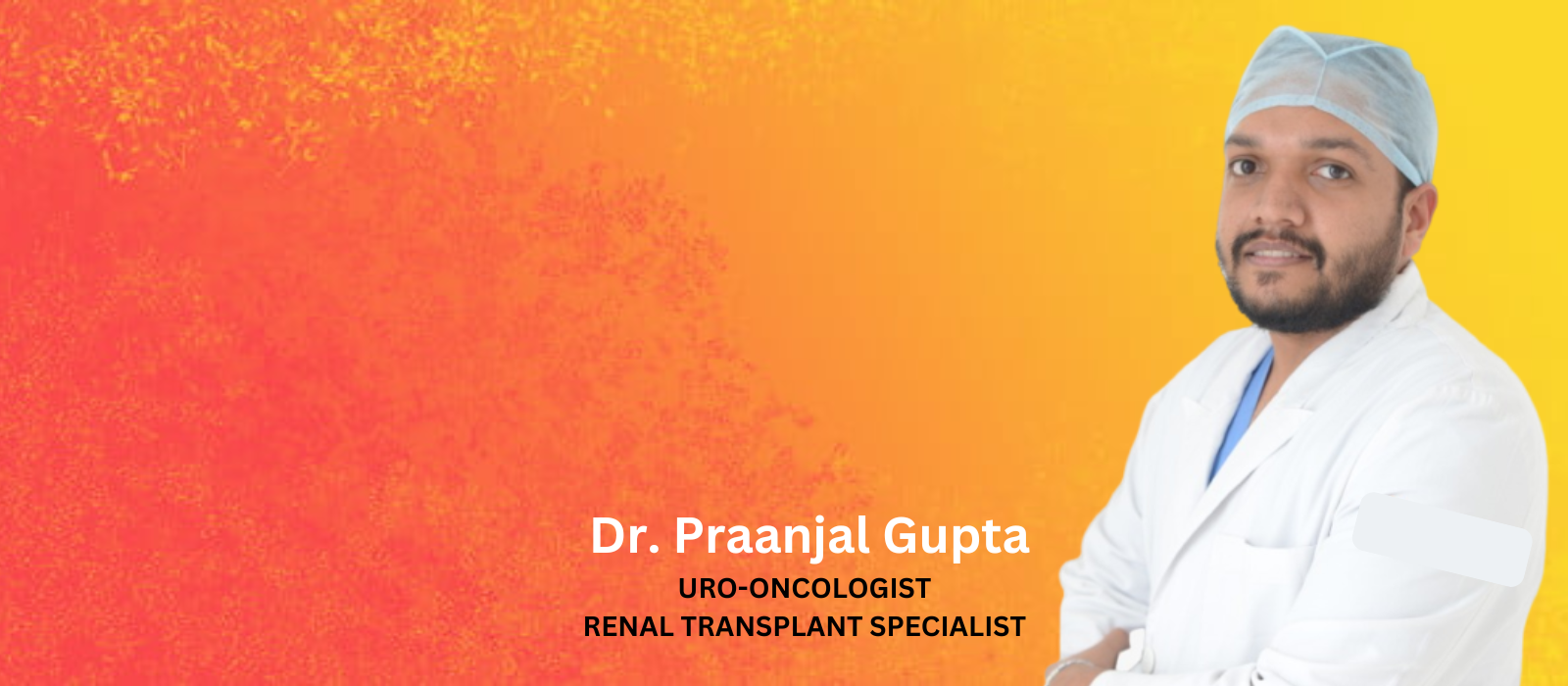
Dr. Praanjal Gupta is a skilled urologist specializing in robotic urology, uro-oncology, and renal transplantation. He completed his MCh in Urology and Renal Transplant from the renowned Jawaharlal Institute of Postgraduate Medical Education and Research (JIPMER), Pondicherry, where he received comprehensive training in endo-urology, uro-oncology, renal transplant, and robotic surgery. Further refining his expertise, Dr. Gupta completed a fellowship in Kidney Transplant, Uro-Oncology, and Robotic Urology at Medanta, The Medicity, under the guidance of Dr. Rajesh Ahlawat.
Dr. Gupta has served as an Associate Consultant at PSRI Hospital, New Delhi, excelling in endourology and laparoscopic surgery for urolithiasis. In 2022, he was selected for the prestigious EUREP fellowship by the European Association of Urology, where he trained in Prague, Czech Republic, further advancing his skills in endourology and laparoscopy.
With a passion for research and academics, Dr. Gupta has authored 12 national and international publications, including eight original articles, and contributed chapters to medical books. He has presented over 20 papers at national and international conferences. Known for his meticulous approach and strong doctor-patient relationships, Dr. Gupta is dedicated to providing personalized care, performing a range of open, laparoscopic, endourological, and robotic procedures

- Call Us: 9958175405
- Email Us: praanjal007@gmail.com
Advanced Robotic Urology & Renal Care by Leading Urologist
Precision-driven treatments for urological cancers and kidney transplants
Expert Uro-Oncology and Renal Transplants with Minimally Invasive Surgery
Cutting-edge robotic techniques for faster recovery and better outcomes

Comprehensive Urological Solutions with Personalized Robotic Surgery
Specialized care for kidney stones, prostate cancer, and more

.png)
.png)
.png)
Dr. Praanjal Gupta
About Us
Dr. Praanjal Gupta is a dedicated and highly skilled urologist specializing in robotic urology, uro-oncology, and renal transplantation. His practice focuses on treating complex urological conditions with a patient-centered approach, offering advanced, minimally invasive, and cutting-edge treatments. Dr. Gupta’s expertise spans various urological procedures, including kidney transplants, robotic-assisted surgeries, and treatment of cancers of the prostate, bladder, and kidneys.
His primary modality of treatment emphasizes minimally invasive techniques, particularly robotic surgery, which allows for greater precision, faster recovery, and minimal scarring. Dr. Gupta’s proficiency in robotic-assisted urology makes him a sought-after expert in performing delicate procedures like robotic prostatectomies, nephrectomies, and reconstructive surgeries. He also specializes in endourological procedures such as stone removal (urolithiasis), management of ureteric strictures, and laparoscopic surgeries for various kidney disorders.
At the core of his practice is his commitment to providing personalized care. He thoroughly assesses each patient’s condition and develops individualized treatment plans, often incorporating advanced diagnostic tools like urodynamics and uroradiology. Whether managing urological emergencies or performing complex surgeries, Dr. Gupta’s meticulous approach and compassionate care ensure the best outcomes for his patients. He is well-versed in handling a wide spectrum of urological diseases with the latest technology and evidence-based practices.
7+
Years of Experience
500+
Renal Transplants Done
5K+
Laparoscopic Surgeries Performed
15K+
Happy Patients and Ongoing
Our Specialization

Urology

Laparoscopic Surgery

Kidney transplant Surgery

Uro-Oncology

Robotic-Urology

Bladder Cancer

Prostate Cancer Treatment

Overactive Bladder

Erectile Dysfunction

Male Incontinence

Benign Prostate Enlargement (BPH)

Vasectomy


Kidney Cancer Surgery

Adrenal Tumor Surgery

Prostate Cancer Surgery

Urinary Bladder Cancer Surgery

Ureteric Tumor Surgery

Testicular Tumor Surgery

Penile Cancer Surgery
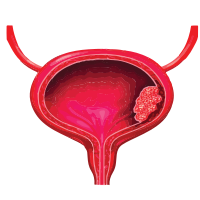
Intravesical Treatment
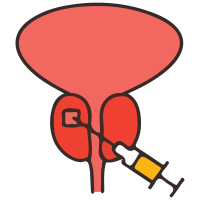
Transperineal Prostrate Biopsy

Endourological Surgery

Retroperitoneal Tumor Surgery

Robotic Kidney Transplant
Our Healthcare Services
Innovative Solutions for Optimal Health and Well-being
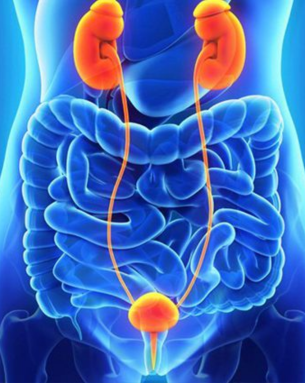
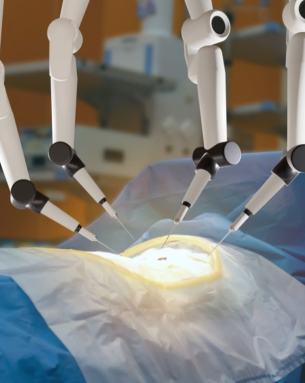
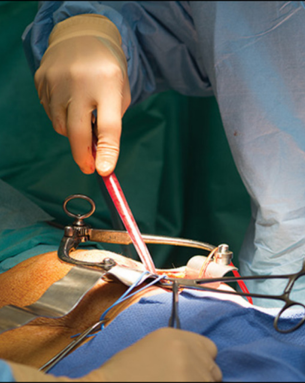

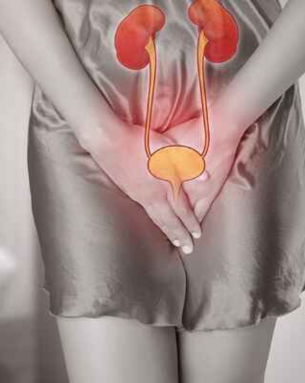
Dr. Praanjal Gupta
About Doctor
.png)
- M.Ch. (Urology and Renal Transplant) , M.S. (General Surgery) , MBBS
- 7.0 Years Of Experience
- Licence No. xyz
Media Pictures

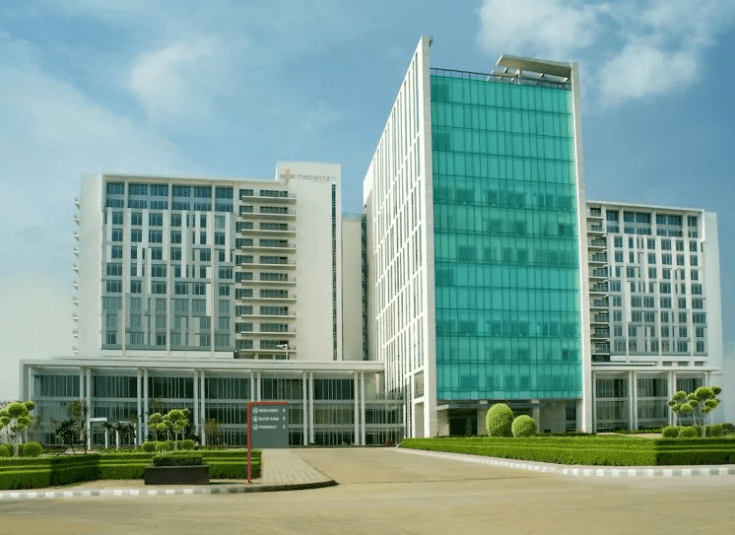
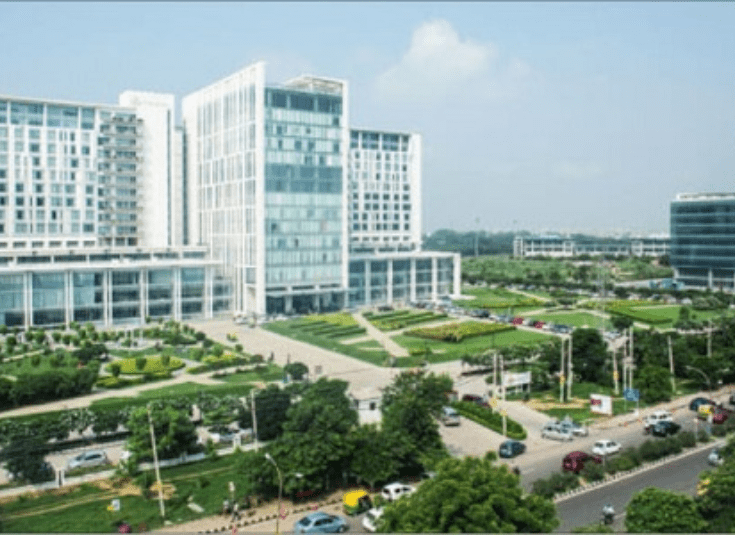
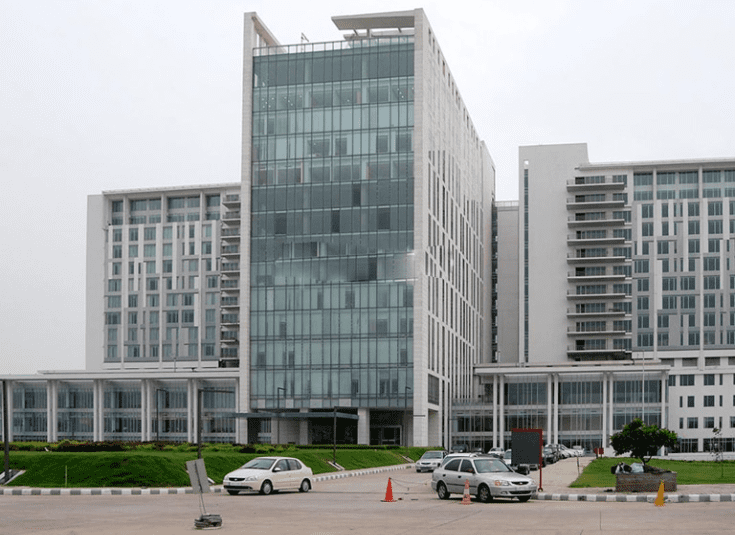
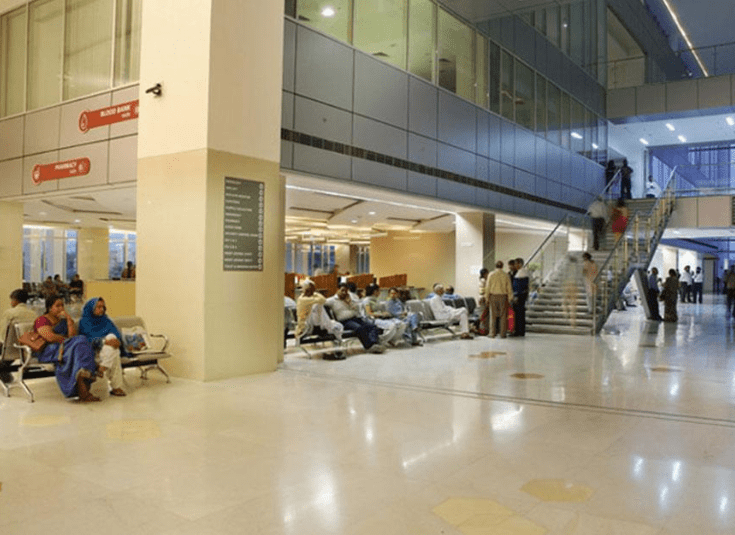
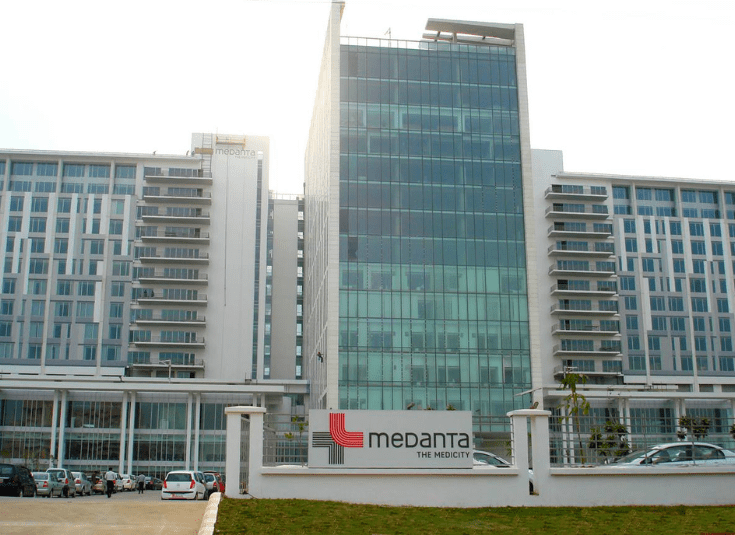
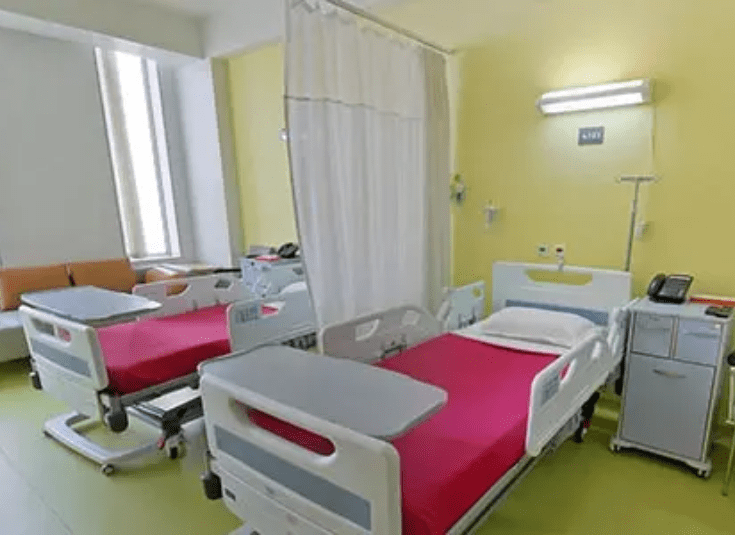




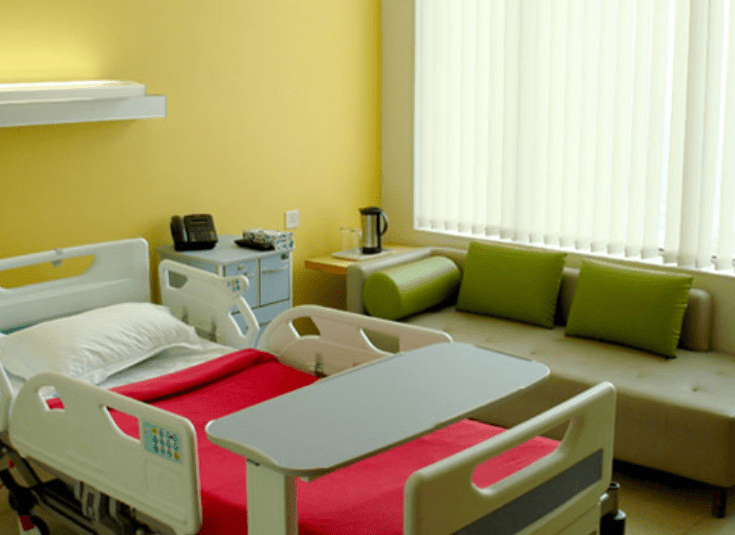
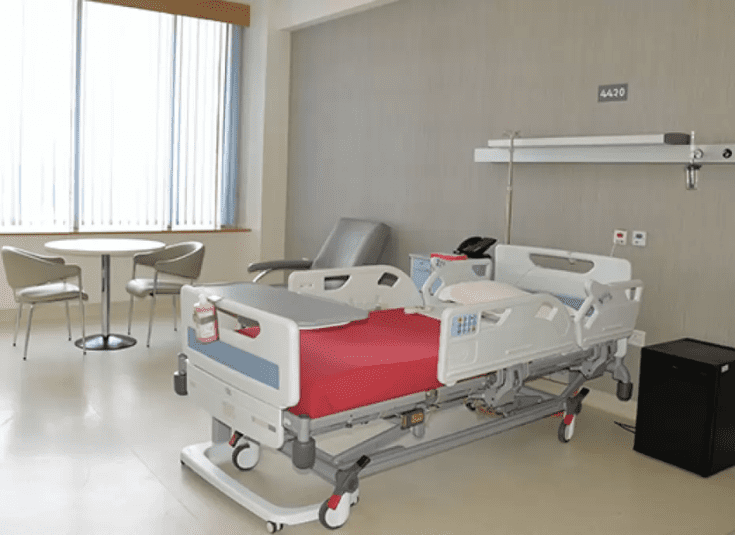
Frequently Asked Questions
How are female urological conditions diagnosed?
Diagnosing female urological conditions typically involves a thorough medical history and physical examination, along with specific diagnostic tests. Common assessments may include urinalysis, bladder diaries, urodynamic studies, and imaging studies such as ultrasounds or CT scans. These evaluations help identify underlying issues such as incontinence, bladder dysfunction, or pelvic floor disorders. A comprehensive diagnosis is essential for developing an effective treatment plan tailored to each patient’s unique needs. For a detailed assessment and tailored treatment in female urology, consult Dr. Praanjal Gupta, a robotic urologist, uro-oncologist, and renal transplant specialist at Medanta Gurugram, where he focuses on precision surgery in his approach to female health.
What is female urology and what conditions does it treat?
Female urology is a subspecialty of urology that focuses on diagnosing and treating urological conditions specific to women. This includes issues such as urinary incontinence, pelvic organ prolapse, and urinary tract infections (UTIs). Female urologists understand the unique anatomical and physiological factors affecting women's urinary health, and they offer specialized care tailored to the needs of female patients. Treatment options can range from conservative management and lifestyle changes to surgical interventions. For expert care in female urology, consult Dr. Praanjal Gupta, a robotic urologist, uro-oncologist, and renal transplant specialist at Medanta Gurugram, who prioritizes precision surgery in addressing women's urological issues.
What treatments are available for common male reproductive health issues?
Treatment options for andrological conditions vary depending on the specific issue. For erectile dysfunction, treatments may include oral medications, vacuum erection devices, or penile injections. Male infertility can be addressed through hormonal therapy, assisted reproductive techniques, or surgical interventions, depending on the underlying cause. Conditions like Peyronie's disease may require medications, injections, or surgical correction. The goal of andrological treatments is to restore function and improve overall quality of life for male patients. For tailored andrological care, contact Dr. Praanjal Gupta, a robotic urologist, uro-oncologist, and renal transplant specialist at Medanta Gurugram, where he emphasizes precision in his approach to male health issues.
What is andrology and what conditions does it address?
Andrology is the branch of medicine that focuses on male health, particularly concerning the male reproductive system and urological issues unique to men. Common conditions treated in andrology include erectile dysfunction, male infertility, Peyronie's disease, and hypogonadism (low testosterone levels). Andrologists employ a variety of diagnostic techniques, such as hormone tests, ultrasound, and semen analysis, to assess and treat these conditions effectively. For comprehensive andrological care, consult Dr. Praanjal Gupta, a robotic urologist, uro-oncologist, and renal transplant specialist at Medanta Gurugram, who prioritizes precision surgery in addressing male reproductive health.
What are the risks and benefits of kidney transplantation?
Kidney transplantation offers numerous benefits, including improved kidney function, reduced need for dialysis, and enhanced quality of life. However, like any major surgery, it carries certain risks, such as infection, rejection of the new kidney, and complications related to anesthesia. Long-term immunosuppressive therapy is also necessary to prevent rejection, which can increase the risk of other infections and cancers. Overall, the benefits often outweigh the risks for suitable candidates, making it a life-changing option for many patients. For expert evaluation and care in kidney transplantation, reach out to Dr. Praanjal Gupta, a robotic urologist, uro-oncologist, and renal transplant specialist at Medanta Gurugram, where he emphasizes precision surgery in transplant procedures
What is a renal transplant and who needs one?
A renal transplant, or kidney transplant, is a surgical procedure that involves placing a healthy kidney from a donor into a patient whose kidneys no longer function properly. This procedure is often recommended for individuals with end-stage renal disease (ESRD) or chronic kidney disease (CKD) when other treatments, such as dialysis, are no longer effective. The transplant can significantly improve the patient's quality of life and increase longevity by restoring kidney function. If you or a loved one may need a kidney transplant, consult Dr. Praanjal Gupta, a robotic urologist, uro-oncologist, and renal transplant specialist at Medanta Gurugram, where he focuses on precision surgery and advanced transplant techniques.
What types of procedures are performed using laparoscopic and robotic techniques?
Laparoscopic and robotic techniques are utilized for various urological procedures, including prostatectomy (removal of the prostate), nephrectomy (removal of a kidney), and bladder surgeries. These methods are particularly useful for conditions like benign prostatic hyperplasia (BPH) and kidney stones. Robotic-assisted surgeries enhance the surgeon's capabilities by providing 3D visualization and greater maneuverability, making it possible to navigate complex anatomical structures more effectively. This results in fewer complications and better functional outcomes for patients. For innovative laparoscopic and robotic surgeries, consult Dr. Praanjal Gupta, a robotic urologist, uro-oncologist, and renal transplant specialist, who offers advanced care at Medanta Gurugram, focusing on precision surgery.
What are the benefits of laparoscopic and robotic urology compared to traditional surgery?
Laparoscopic and robotic urology offer several advantages over traditional open surgical techniques. These minimally invasive approaches result in smaller incisions, reduced pain, less blood loss, and shorter recovery times. Patients often experience less postoperative discomfort and a quicker return to normal activities. Robotic-assisted surgeries provide enhanced visualization and precision, allowing surgeons to perform complex procedures with greater dexterity. This can lead to improved surgical outcomes and lower rates of complications. For advanced laparoscopic and robotic urological procedures, Dr. Praanjal Gupta is your go-to expert. As a robotic urologist, uro-oncologist, and renal transplant specialist, he provides cutting-edge care at Medanta Gurugram, focusing on precision surgery.
How are urological cancers diagnosed?
Diagnosis of urological cancers typically involves a combination of imaging studies, laboratory tests, and biopsies. Common imaging techniques include ultrasound, CT scans, and MRI, which help visualize tumors and assess their size and spread. Urinalysis and blood tests can detect markers associated with certain cancers. If a tumor is suspected, a biopsy may be performed to obtain tissue for histopathological examination. Early detection is essential for effective treatment and can significantly improve patient outcomes in uro-oncology. For accurate diagnosis and personalized treatment options, consult Dr. Praanjal Gupta, a robotic urologist, uro-oncologist, and renal transplant specialist, at Medanta Gurugram, where he focuses on precision surgery in his approach to cancer care.
What is uro-oncology and what types of cancers does it treat?
Uro-oncology is a branch of urology that focuses on the diagnosis and treatment of cancers affecting the urinary system, including the kidneys, bladder, prostate, and testes. Common types of urological cancers include renal cell carcinoma, bladder cancer, prostate cancer, and testicular cancer. Uro-oncologists use a multidisciplinary approach, combining surgery, chemotherapy, radiation therapy, and targeted therapies to provide comprehensive treatment plans tailored to individual patients. Early diagnosis and treatment are crucial for improving outcomes in uro-oncology. For specialized uro-oncological care, reach out to Dr. Praanjal Gupta, a robotic urologist, uro-oncologist, and renal transplant specialist, at Medanta Gurugram, where he emphasizes precision surgery and advanced treatment modalities.
What conditions can be treated with endourology?
Endourology is effective in treating a range of urological conditions, including but not limited to kidney stones, ureteral strictures, urinary tract infections, and bladder tumors. It is particularly beneficial for patients with complex stone disease, as endourological techniques can often remove stones that are difficult to treat with traditional methods. Additionally, patients experiencing recurrent urinary tract infections can benefit from endoscopic evaluations to identify underlying anatomical abnormalities. The minimally invasive nature of these procedures typically results in reduced hospital stays and faster recovery times. If you’re facing any of these conditions, Dr. Praanjal Gupta can provide expert endourological care at Medanta Gurugram, focusing on precision surgery as a robotic urologist, uro-oncologist, and renal transplant specialist.
What is endourology and what procedures does it encompass?
Endourology is a subspecialty of urology that involves minimally invasive techniques for diagnosing and treating disorders of the urinary tract and male reproductive organs. Common procedures in endourology include ureteroscopy, percutaneous nephrolithotomy (PCNL), and flexible cystoscopy. These procedures allow urologists to access the urinary tract through natural orifices, eliminating the need for large incisions. Endourology is primarily used to treat conditions such as kidney stones, urinary tract obstruction, and bladder tumors, providing patients with quicker recovery times, less pain, and minimal scarring. For personalized care and advanced endourological procedures, consult Dr. Praanjal Gupta, a robotic urologist, uro-oncologist, and renal transplant specialist, who offers advanced urological care at Medanta Gurugram, focusing on precision surgery.
How does Dr. Praanjal Gupta approach patient care?
Dr. Praanjal Gupta adopts a patient-centered approach to care, emphasizing personalized treatment plans tailored to the unique needs of each patient. He values strong doctor-patient relationships, ensuring clear communication and understanding of each patient’s condition and treatment options. Dr. Gupta stays abreast of the latest advancements in urology to provide the most effective and innovative treatment solutions. With a keen interest in research and a commitment to continuous learning, he integrates the latest techniques and methodologies into his practice, aiming for optimal outcomes and patient satisfaction.
What are the areas of expertise of Dr. Praanjal Gupta?
Dr. Praanjal Gupta specializes in urology with a focus on kidney transplant, uro-oncology, and robotic urology. He completed his MCh in Urology and Renal Transplant from the Jawaharlal Institute of Postgraduate Medical Education and Research (JIPMER), where he gained extensive training in endo-urology, uro-oncology, renal transplant procedures, and robotic surgery techniques. Dr. Gupta has also pursued advanced fellowships, including the prestigious EUREP Fellowship from the European Association of Urology, enhancing his skills in endourology and laparoscopy. His expertise encompasses a wide range of surgical procedures, including complex robotic surgeries and the management of urological emergencies.
What is Dr. Praanjal Gupta's educational background?
Dr. Praanjal Gupta has a strong educational foundation in urology and renal transplant surgery. He completed his undergraduate medical education and earned his MBBS degree, followed by an MCh in Urology and Renal Transplant from the prestigious Jawaharlal Institute of Postgraduate Medical Education and Research (JIPMER) in Pondicherry. During his time at JIPMER, he received comprehensive training in various urological specialties, including endo-urology, uro-oncology, and robotic surgery. Furthermore, Dr. Gupta completed a fellowship in Kidney Transplant, Uro-Oncology, and Robotic Urology at Medanta - The Medicity in Gurugram, where he trained under renowned urology expert Dr. Rajesh Ahlawat. Additionally, he was selected as one of the top candidates for the EUREP Fellowship by the European Association of Urology, allowing him to further his training in endourology and laparoscopy in Prague, Czech Republic. This rigorous education and specialized training have equipped him with the skills and knowledge to provide high-quality care in urology
Location & Location Map
Working Hours
MONDAYClosed
TUESDAYClosed
WEDNESDAYClosed
THURSDAYClosed
FRIDAYClosed
SATURDAYClosed